
Kegel balls have a marketing problem. They tend to get sold either as a medical device for people who have recently given birth, or as something mysteriously described as enhancing pleasure in ways the packaging never quite explains. Neither framing is particularly helpful. So here is the straightforward version.
Kegel balls are small weighted balls worn internally in the vagina. They are used to exercise the pelvic floor muscles – the muscles that support the bladder, uterus, and bowel. Stronger pelvic floor, better control, improved sensation. That is the whole thing. The rest is just detail.
What Even Is the Pelvic Floor?
The pelvic floor is a group of muscles and connective tissue that forms a sort of hammock across the base of your pelvis. It holds your internal organs in place, controls urination and bowel movements, and plays a significant role in sexual sensation and function.
Most people do not think about their pelvic floor until it starts causing problems. Leaking slightly when you sneeze, jump, or laugh – known glamorously as stress incontinence – is often the first sign that the pelvic floor could do with some attention. It is extremely common and considerably less inevitable than people assume.
Pregnancy and childbirth put significant strain on the pelvic floor. So does menopause, carrying extra weight, chronic coughing, and sitting at a desk for years. Basically a normal life, then.
How Do Kegel Balls Work?
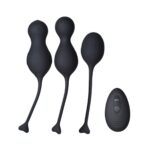
When you insert kegel balls, your pelvic floor muscles engage involuntarily to hold them in place. This creates a low-level workout that requires no conscious effort on your part. You are essentially doing pelvic floor exercises while getting on with your day.
Some kegel balls also move or jiggle when you move – a smaller ball inside a larger one creates this effect. The movement creates additional stimulus for the muscles to respond to, increasing the workout intensity somewhat.
The result with regular use over weeks and months is stronger, more responsive pelvic floor muscles. This tends to mean better bladder control, reduced risk of prolapse, and – the part the packaging hints at without saying directly – improved sexual sensation and stronger orgasms. The pelvic floor muscles contract during orgasm and stronger muscles mean stronger contractions.
Are They the Same as Ben Wa Balls?
Ben wa balls are the traditional version – small, solid metal balls with no retrieval cord, originating from Japan and used for centuries. They are light, smooth, and provide minimal resistance.
Modern kegel balls tend to be larger, made from silicone or ABS plastic, weighted more deliberately, and almost always have a retrieval cord. They are easier to use safely and more effective for actual exercise purposes. Ben wa balls have a certain historical appeal and some people prefer them, but for pelvic floor strengthening, a modern kegel ball with a retrieval cord is the more practical choice for most people.
How Heavy Should You Go?
Start lighter than you think you need to. This is a recurring theme in sex toy advice and it applies just as much to kegel balls as anything else.
If you have never used kegel balls before, or if your pelvic floor is weak, starting with a heavier ball will not accelerate progress – it will just be uncomfortable and potentially mean you cannot hold them in at all, which is discouraging. Start with a lighter single ball, wear it for short periods, and build up gradually.
Many kegel ball sets come with multiple weights and configurations for exactly this reason. You are not failing by starting at the lightest setting. You are being sensible.
How Long Should You Wear Them?
Start with 15-20 minutes per day. Build up to 30-40 minutes over a few weeks as your muscles strengthen. Some people work up to wearing them for several hours but there is no need to rush and no particular benefit to longer sessions when you are starting out.
Wear them during light activity – walking around the house, doing chores, light errands. Not during vigorous exercise, swimming, or anything high-impact. Not while lying down, as gravity does not assist the exercise effect.
Remove them if they feel uncomfortable at any point. Some initial awareness of the sensation is normal. Actual discomfort is not and means you should stop and try again another time, possibly with a lighter weight.
Can Anyone Use Kegel Balls?
Most people with a vagina can use them. There are some exceptions. If you are pregnant, skip them entirely – this is not the time to introduce any internal weight. If you have a pelvic organ prolapse, pelvic inflammatory disease, or have recently had pelvic surgery, speak to a doctor before trying kegel balls. If you have a vaginal infection, wait until it has cleared.
If you have an overactive pelvic floor – which causes its own set of problems and is less commonly discussed – kegel exercises of any kind may not be appropriate. A pelvic floor physiotherapist can tell you which category you are in, and they are considerably less embarrassing to visit than people expect.
What About Kegel Balls for Men?
Men have a pelvic floor too. It is worth saying because it often gets left out of the conversation. Male pelvic floor dysfunction can cause similar issues – urinary incontinence, erectile difficulties, reduced sensation. Kegel exercises for men involve contracting the same group of muscles, though typically done without any device. There are some prostate massagers and vibrators designed to assist with this but kegel balls as traditionally described are designed for vaginal use.
How Do You Clean Kegel Balls?
That depends on the material. Silicone kegel balls: wash with warm water and mild soap, or use a toy cleaner. They can be boiled or put in the dishwasher if they have no electronic components. ABS plastic: warm water and soap. Metal: warm water and soap, or boiled.
Dry thoroughly before storing. Keep in a pouch away from other toys to avoid material degradation. Do not store silicone touching silicone without a barrier as this can cause the surface to become tacky over time.
Will You Actually Notice a Difference?
With consistent use over six to twelve weeks, most people notice improvement. It is not dramatic or sudden – it is more that one day you realise you are not crossing your legs when you sneeze, or that things feel more responsive in ways that are hard to articulate but clearly positive.
Results depend on consistency. Wearing them once a week will not do much. Daily use for a few months is what makes a genuine difference. Think of it as the same relationship you have with any exercise – you would not expect one trip to the gym to change anything.
Browse our range of kegel balls and pelvic floor exercisers at The Loving Company. Straightforward descriptions, body-safe materials, and your postman will never know.