
Condoms
Condoms in this section cover the everyday and the specialist. Standard latex, ribbed and dotted, ultra thin, large fit, snug fit, latex free, plus the warming, cooling and flavoured varieties for oral. Stocked in singles and 12 / 24 / 36 / 100 packs.
Sizing. Most condoms in the standard pack are designed for nominal width 52-54 mm; large fit covers 56-60 mm and snug fit 49-52 mm. The wrong size is the main reason condoms fail. The product page lists the brand's nominal width where given.
Material. Latex is the default. Polyisoprene latex free condoms suit allergy sufferers and partners with latex sensitivity; they feel close to latex but are more expensive. Polyurethane condoms are thinner still and suit some preferences but cost more again.
Lube compatibility. Water-based lube is safe with all condoms. Silicone lube is safe with latex and polyisoprene. Oil based lube destroys latex; never use it with latex condoms.
Brands stocked. Durex, Skyn, Pasante, Trojan, Mates, Glyde plus our own house bottles.
Plain unbranded packaging, billed as TLC Ltd. Free UK delivery over £50.
Showing all 21 results
-
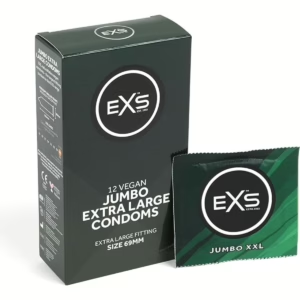
12 EXS Jumbo Condoms – 12 Pack
£4.95 (incl. VAT) -

12 EXS Smiley Face Condoms – 12 Pack
£4.95 (incl. VAT) -

3 EXS Glow In The Dark Condoms – 3 Pack
£2.95 (incl. VAT) -
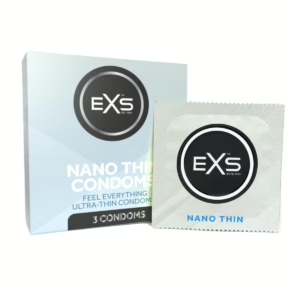
3 EXS Nano Thin Condoms – 3 Pack
£1.95 (incl. VAT) -

3 EXS Ribbed And Dotted Condoms – 3 Pack
£1.95 (incl. VAT) -

36 Skyn Elite Latex Free Condoms – 36 Pack
£44.95 (incl. VAT) -

40 Skyn Original Latex Free Condoms – 40 Pack
£42.95 (incl. VAT) -
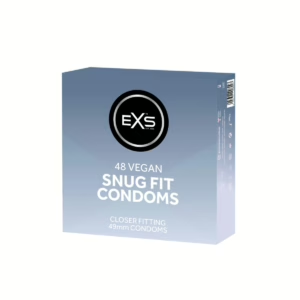
48 EXS Snug Fit Condoms – 48 Pack
£15.95 (incl. VAT) -

48 EXS Variety Pack 1 Condoms – 48 Pack
£15.95 (incl. VAT) -

48 EXS Variety Pack 2 Condoms – 48 Pack
£15.95 (incl. VAT) -

EXS 1 Vegan Non-Latex Internal Condom – 1 Pack
£2.95 (incl. VAT) -

EXS Air Thin Condoms – Natural Latex & Silicone Lubricated – 12 Pack
£5.95 (incl. VAT) -

EXS Delay Condoms – Natural Latex & Silicone Lubricated – 12 Pack
£8.95 (incl. VAT) -

EXS Extra Thick – Natural Latex & Silicone Lubricated – 12 Pack
£5.95 (incl. VAT) -

EXS Mixed Flavour Condoms – Natural Latex & Silicone Lubricated – 12 Pack
£5.95 (incl. VAT) -
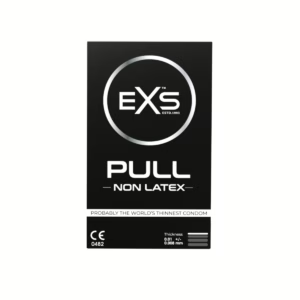
EXS Pull Condoms – Non-Latex & Silicone Lubricated – 3 Pack
£4.95 (incl. VAT) -
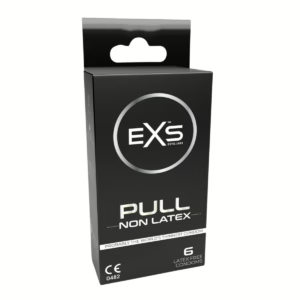
EXS Pull Condoms – Non-Latex & Silicone Lubricated – 6 Pack
£8.95 (incl. VAT) -

EXS Pure Condoms – Premium Rri Latex & Fully Sustainable – 12 Pack
£5.95 (incl. VAT) -

EXS Regular Condoms – Natural Latex & Silicone Lubricated – 12 Pack
£5.95 (incl. VAT) -

Mates Skyn Non-Latex Condoms Large – 56mm Width – 10 Pack
£23.95 (incl. VAT) -

Mates Skyn Original Non-Latex Condoms – 53mm Width – 10 Pack
£23.95 (incl. VAT)
Condoms: The Right Fit Makes All the Difference
Condoms are the only form of protection that prevents both STIs and pregnancy. That alone makes them essential. But beyond the health basics, the right condom should feel good for both partners. If your experience of condoms has been that they're uncomfortable, too tight, or kill sensation, you've been using the wrong ones. Size, thickness, material, and style all affect how a condom feels, and finding the right combination transforms the experience.
What Types of Condoms Are Available?
Standard latex condoms in regular, thin, and ultra-thin varieties. Ribbed and dotted condoms with textured surfaces for added stimulation. Flavoured condoms for oral sex. Large and XL sizes for a more comfortable fit. Snug-fit condoms for men who find regular sizes too loose. Latex-free options in polyisoprene or polyurethane for people with latex allergies. And delay condoms with a mild numbing agent inside the tip to help men last longer.
Using Condoms Correctly
Check the expiration date. Open the packet carefully without using teeth or sharp nails. Check which way the condom rolls by placing it on the tip of the erect penis. It should roll down smoothly. If it doesn't, flip it over. Pinch the tip to leave space for semen, then roll the condom all the way down to the base. After ejaculation, hold the base of the condom while withdrawing to prevent it slipping off. Use a new condom for each act of intercourse.
Use water-based or silicone-based lubricant with latex condoms. Never use oil-based lubricants (including coconut oil, baby oil, and petroleum jelly) as they degrade latex and cause the condom to fail.
Storage and Expiry
Condoms are single-use. Never reuse a condom. Store in a cool, dry place at room temperature. Don't keep them in wallets, car glove boxes, or anywhere that gets hot, as heat degrades latex. Check the expiry date before every use.
Why Condoms Still Matter
Dual protection against STIs and pregnancy with no hormonal side effects and no prescription required. That's a combination no other product offers. For new sexual partners, condoms are essential regardless of what other contraception is in place, because only condoms protect against sexually transmitted infections. For established couples, they remain useful for mess-free sex, as a backup to other contraception, and for anal sex where they simplify cleanup significantly.
Finding Your Right Size and Style
Size is the single most important factor. A condom that's too tight feels uncomfortable and is more likely to break. A condom that's too loose risks slipping off. Most brands offer regular (nominal width 52 to 54mm), large (56mm+), and snug fit (49mm or less). If standard condoms feel tight or uncomfortable, try a larger size. If they feel loose or move during sex, try a snug fit.
Thickness affects sensation. Ultra-thin condoms transmit more sensation while still providing full protection. If your complaint about condoms is reduced sensitivity, switching to an ultra-thin can make a remarkable difference. They're tested to the same safety standards as standard thickness condoms.
Budget vs Premium Condoms
All condoms sold in the UK must be CE marked and tested to the same safety standards, so even budget condoms provide reliable protection. The difference between budget and premium is in the feel. Premium condoms use thinner, softer latex that feels more natural. They fit better because premium brands offer more precise sizing. And they're often pre-lubricated with better-quality lubricant. For daily use, the extra cost of premium condoms is minimal per use and the comfort difference is noticeable.