Dildos
A well chosen dildo lasts for years. A poorly chosen one lasts about a week and then you start wondering what is growing inside it. That is why this page leads with materials before anything else.
Materials, plain. Body safe silicone is the gold standard. It is non porous, hypoallergenic, easy to clean and lasts for the life of the product. Glass and stainless steel are also non porous, beautifully smooth, temperature responsive and effectively indestructible. ABS plastic is acceptable for non insertable parts. We do not stock jelly, TPR, unsealed PVC or any other porous material for internal use because they trap bacteria no matter how thoroughly you wash them.
What is in this collection. Realistic dildos with veined detail and softer dual density silicone. Glass dildos for a smoother glide and temperature play. Strap on compatible double ended dildos, and suction cup dildos for hands free or harness play. Plus fantasy and creature designs, and brand specific systems such as Vac-U-Lock.
Sizing. Beginners do well with insertable lengths around 4 to 5 inches and diameters under 35 mm. The instinct to buy big tends to backfire; you can always upgrade later.
Care and storage. Wash with warm soapy water or a dedicated toy cleaner. Silicone can be boiled if there are no electronics. Do not store silicone touching silicone without a barrier; the surfaces can degrade each other over time. Use water-based lube with silicone toys.
Every order arrives in plain unbranded packaging, billed as TLC Ltd. Free UK delivery over £50.
Showing 1–44 of 157 results
-

Anal Dildos (8)
-
Double Ended Dildos (9)
-
Fantasy Dildos (32)
-
Glass Dildos (16)
-
Realistic Dildos (46)
-
Suction Cup Dildos (23)
-
Vibrating Dildos (15)
-

B-Vibe Beginners Strap On Harness Set With Silicone Dildo Peg – Orange, 5inch Dildo, Up to 68″ Waist
£38.95 (incl. VAT) -

B-Vibe Every Body Strap On Harness Set With Silicone Dildo Peg – Blue, 6inch Dildo, Up to 68″ Waist
£45.95 (incl. VAT) -
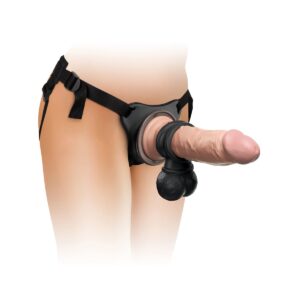
Body Dock King Cock Elite Deluxe Silicone Strap On Kit
£94.95 (incl. VAT) -
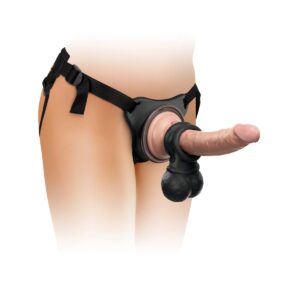
Body Dock King Cock Elite Ultimate Vibrating Silicone Strap On Kit – White/Black, 7inch
£126.95 (incl. VAT) -

Clone A Willy Deep Tone Kit
£32.95 (incl. VAT) -

Clone A Willy Glow In The Dark Kit Blue
£39.95 (incl. VAT) -

Clone A Willy Glow In The Dark Kit Hot Pink
£40.95 (incl. VAT) -

Clone A Willy Jet Black Kit Black
£33.95 (incl. VAT) -

Clone A Willy Kit Hot Pink
£32.95 (incl. VAT) -

Clone A Willy Kit Light
£31.95 (incl. VAT) -

Clone A Willy Kit Neon Purple
£32.95 (incl. VAT) -

Creature Cocks Aqua Cock Glow In The Dark Silicone Dildo – Multicolour, 7.6inch
£41.95 (incl. VAT) -

Creature Cocks Chrysalis Silicone Dildo – Multicolour, 7.7inch
£50.95 (incl. VAT) -

Creature Cocks Cujo Canine Silicone Dildo – Pink, XL
£84.95 (incl. VAT) -

Creature Cocks Deep Diver Silicone Dildo – Red/Brown, 7.6inch
£52.95 (incl. VAT) -

Creature Cocks Deep Invader Tentacle Ovipositor Silicone Dildo With Eggs – Metalic Gold, 11.6inch
£93.95 (incl. VAT) -

Creature Cocks Demon Claw Fisting Silicone Dildo – Red, 8.6inch
£79.95 (incl. VAT) -

Creature Cocks Dickosaur Dinosaur Silicone Dildo – Green/Black, 7inch
£38.95 (incl. VAT) -

Creature Cocks Dragon Snatch Dragon Stroker – Red, 8.7inch
£46.95 (incl. VAT) -

Creature Cocks Glow In The Dark Silicone Alien Dildo – Blue/Orange, 8.5inch
£49.95 (incl. VAT) -

Creature Cocks Horny Devil Strap On Harness – One Size Up to 45″ Waist
£46.95 (incl. VAT)Green - Out of StockRedSelect options This product has multiple variants. The options may be chosen on the product page -

Creature Cocks Intruder Alien Silicone Dildo – Blue/Pink, 9inch
£60.95 (incl. VAT) -
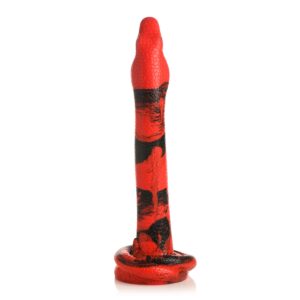
Creature Cocks King Cobra Silicone Dong Dildo – Red, 14in
£82.95 (incl. VAT) -
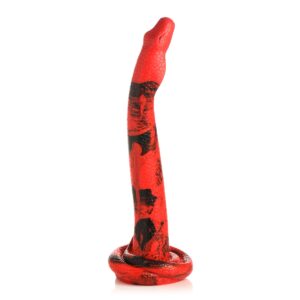
Creature Cocks King Cobra Silicone Dong Dildo – Red, 18in
£114.95 (incl. VAT) -

Creature Cocks Luminoctopus Glow-In-The-Dark Tentacle Dildo – Multicolour, 7.2inch
£33.95 (incl. VAT) -

Creature Cocks Majestic Merman Silicone Dildo – Multicolour, 10.2inch
£74.95 (incl. VAT) -

Creature Cocks Monstropus 2.0 Vibrating Tentacle Silicone Dildo – Yellow/Green, 7.3inch
£56.95 (incl. VAT) -

Creature Cocks Monstropus Tentacled Marble Monster Silicone Dildo – Green/ Yellow, 8.5inch
£61.95 (incl. VAT) -

Creature Cocks Moon Rider Glow In The Dark Unicorn Dildo – Multicolour, 8.1inch
£40.95 (incl. VAT) -

Creature Cocks Mystique Silicone Unicorn Dildo – Multicolour, 8.3inch
£63.95 (incl. VAT) -

Creature Cocks Night Prowler Silicone Dildo, Silver
£46.95 (incl. VAT)L - Out of StockLMMS - Out of StockSSelect options This product has multiple variants. The options may be chosen on the product page -
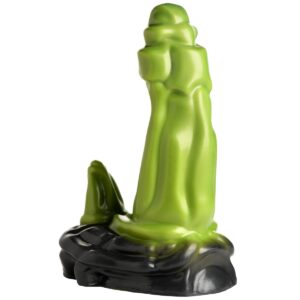
Creature Cocks Orc Silicone Dildo – Green/Black, 7inch
£47.95 (incl. VAT) -

Creature Cocks Rainbow Phoenix Vibrating Silicone Dildo – Multicolour, 6.8inch
£58.95 (incl. VAT) -

Creature Cocks Ramming Hound Thrusting & Vibrating Silicone Dildo – Red, 9.3inch max
£66.95 (incl. VAT) -

Creature Cocks Ravager Rippled Tentacle Fantasy Dildo – Rust Orange, 8inch
£44.95 (incl. VAT) -

Creature Cocks Stegosaurus Spiky Reptile Silicone Dildo – Green/Gold, 7.6inch
£41.95 (incl. VAT) -

Creature Cocks Tenta Come Hither Silicone Vibrator – Pink/Blue, 6.1inch
£85.95 (incl. VAT) -

Creature Cocks Tentacle Cock Silicone Dildo
£54.95 (incl. VAT) -

Creature Cocks Titan Tentacle Extra Long Silicone Dildo
£83.95 (incl. VAT) -

Creature Cocks Uni-Glow Glow-In-The-Dark Rainbow Silicone Dildo – Multicolour, 7.7inch
£44.95 (incl. VAT) -

Creature Cocks Vibra Beast Vibrating Silicone Dildo – Red/Black, 7.4inch
£52.95 (incl. VAT) -

Creature Cocks Vulvaron Vibrating Silicone Grinder – Multi, One Size
£57.95 (incl. VAT) -

Creature Cocks Xeno Egg Glow In The Dark Silicone Egg – Pink, 5.25inch
£39.95 (incl. VAT) -

Doc Johnson Anal Push – Black
£15.95 (incl. VAT)
A Proper Guide to Buying a Dildo
Dildos have been around for literally thousands of years, and they're still one of the most popular sex toys on the planet. There's a good reason for that. They're simple, they work, and there's a shape and size out there for pretty much everyone.
That said, "simple" doesn't mean there aren't decisions to make. Material, size, shape, texture, firmness, base type... it adds up. This guide covers all of it so you can pick something you'll actually enjoy rather than something that ends up in the back of a drawer.
So What Actually Counts as a Dildo?
A dildo is a penetrative toy designed for vaginal or anal use. The key difference between a dildo and a vibrator is that most dildos don't have a motor. You're in control of the speed, depth, angle, and rhythm. Some people prefer that hands-on control to the buzzing of a vibrator. Others use both for different moods. There's no hierarchy here.
The range of styles is huge. Realistic dildos are moulded to look and feel like an actual penis, complete with veins, a defined head, and sometimes testicles at the base. At the other end of the spectrum, fantasy dildos come in shapes that don't exist in nature. Tentacles, dragon tongues, alien textures. They're designed purely around what feels interesting rather than what looks anatomical.
In between, you've got smooth silicone designs with gentle curves for G-spot or P-spot targeting, glass dildos that are gorgeous to look at and perfect for temperature play, suction cup dildos that stick to flat surfaces for hands-free use, and double-ended dildos built for two people to use at the same time.
How to Use a Dildo (Without Overthinking It)
The short answer is: slowly, and with lube. Beyond that, it really depends on what you're into.
Size matters (but not how you think). If you're new to dildos, don't start with the biggest thing you can find. A diameter of around 1 to 1.25 inches is comfortable for most beginners. You can always go bigger later once you know what your body likes. Length-wise, 5 to 6 inches of insertable length is a solid starting point. Remember that you don't have to use the full length.
Lube is not optional. Seriously. The body doesn't always produce enough natural lubrication, especially for anal play where there's none at all. Water-based lube works with every material. If you're using a glass or metal dildo, you can also use silicone-based lube for a longer-lasting glide. Don't use silicone lube with silicone toys though, because it breaks down the surface.
Angle and position make a big difference. For G-spot stimulation, a slight upward curve towards the belly button hits the spot. Lying on your back with knees bent gives you the best control when you're starting out. On all fours works well with suction cup dildos stuck to a hard floor or wall.
For anal use, the dildo absolutely must have a flared base. This isn't a suggestion. The rectum can pull objects inward, and a trip to A&E is not how anyone wants their evening to end. Our anal dildos all have flared or T-bar bases for this reason. Start small, go slow, use plenty of lube, and stop if anything hurts.
With a partner, dildos open up a lot of possibilities. Double-ended dildos let both partners enjoy penetration simultaneously. Strap-ons allow penetrative sex regardless of anatomy. And simply having a partner use a dildo on you gives them control over pace and angle in a way that feels completely different from doing it yourself.
Keeping Your Dildo Clean
How you clean a dildo depends on what it's made from, but the principle is always the same: clean it after every single use. No exceptions, even if you're tired.
Silicone, glass, and stainless steel are all non-porous, which means bacteria can't get into the material itself. Wash with warm water and mild soap, and that's genuinely all you need. These materials can also be boiled for a few minutes if you want to fully sterilise them (useful if you're sharing toys with a partner). Don't boil anything that has a motor or electronic components inside, obviously.
PVC and TPE are porous materials. They can't be fully sterilised because bacteria can get into tiny pores in the surface. Wash them thoroughly with soap and water, dry completely, and consider using a condom over the toy for extra hygiene, especially for anal use or if you're sharing.
Store dildos separately. Silicone can react with other silicone if toys are left touching in a drawer for a long time. Most dildos come with a pouch or bag. Use it.
Why People Love Dildos
You're in charge. No batteries, no settings to fiddle with, no motor dying at the worst possible moment. A dildo does exactly what you tell it to. You control the speed, the depth, the angle, the rhythm. For a lot of people, that direct feedback loop between hand and body is what makes dildos feel more intimate than motorised toys.
They're quiet. There's no buzzing, no vibration noise. If you live with flatmates, have thin walls, or just value your privacy, a non-vibrating dildo is about as discreet as it gets.
They last forever. A good silicone or glass dildo has no motor to burn out, no battery to degrade, no charging port to corrode. Look after it and it'll last years. Decades, if we're being honest. That makes the initial cost very reasonable in the long run.
Exploration on your terms. A dildo lets you figure out what kind of penetration you enjoy without any pressure. You can experiment with size, depth, shape, and texture at your own pace. That self-knowledge makes partnered sex better too, because you can actually communicate what you want.
Couples use them more than you'd think. Adding a dildo to sex with a partner isn't about replacing anyone. It's about variety. Different shapes hit different spots. Strap-ons open up options that weren't there before. And for a lot of couples, shopping for one together is half the fun.
Getting More Out of Your Dildo
Temperature play is underrated. Glass dildos and stainless steel dildos can be warmed in warm water or cooled in the fridge before use. The temperature difference against your skin feels genuinely amazing and it takes about two minutes of preparation. Don't use a microwave or a freezer. Warm water and a fridge are all you need.
Experiment with texture. Smooth dildos feel very different from textured ones. Ridges, bumps, and curves all create different sensations during use. If you've only ever tried smooth toys, a gently textured dildo might surprise you. Fantasy dildos tend to have the most creative textures if you want something really different.
Try different positions. A dildo that feels average lying on your back might feel incredible on your knees, or standing in the shower with a suction cup base. Gravity changes the angle of penetration, which changes what gets stimulated internally. It's worth moving around.
Pair it with a vibrator. A dildo for penetration plus a bullet vibrator or air-pulse toy on the clitoris at the same time is the closest thing to a cheat code. The combined internal and external stimulation is intense for a lot of people, and it's one of the most common ways people use dildos once they've had them for a while.
Cheap vs Expensive Dildos: What's the Real Difference?
With dildos, the price difference usually comes down to one thing: material. And material is the one place you really don't want to cut corners.
A £10 jelly dildo from a random brand might look similar to a £35 medical-grade silicone one in photos, but they're not the same product. Jelly and cheap PVC can contain phthalates (known hormone disruptors), they smell awful, they can't be properly sterilised, and they degrade over time. We don't stock them. Everything on this page is body-safe.
The sweet spot for most people is £25 to £50. That gets you proper platinum-cure silicone, good build quality, and a design that's been thought through rather than just knocked out. Brands like Doc Johnson, NS Novelties, and Blush Novelties all make solid dildos in this range.
Above £60, you're often paying for artistic design, hand-poured silicone in custom colour blends, or speciality materials like borosilicate glass. These are beautiful objects and the quality is exceptional, but a £30 silicone dildo will do the job just as well from a purely functional standpoint.
One exception: glass dildos. Even budget glass dildos tend to be made from borosilicate (the same stuff as Pyrex), so you don't sacrifice safety by spending less. They're a genuinely good value category.